
Sizing a Whole-Home Standby Generator for Unpredictable Weather
Winter storms and unpredictable weather patterns are simply a reality of life here in Western Mass. When the snow starts piling up, the wind howls, and ice brings down local power lines, the last thing you want to worry about is how you are going to keep your family safe and warm. Severe weather events and overall grid instability have made prolonged power outages a much more frequent headache for homeowners. This is why investing in a reliable backup power solution is no longer just a luxury; for many, it is a crucial component of home safety and peace of mind.
At Always On Electric Inc, we believe in taking a proactive approach to your home's electrical systems. Taking preventative measures now, before a major storm hits, is a cost-effective strategy that saves you from the stress, property damage, and safety risks associated with sudden outages. One of the best ways to protect your home is by installing a standby generator. However, buying a generator is not a one-size-fits-all process. Choosing the wrong size can lead to system overloads, damaged appliances, or a complete failure to power your home when you need it most. In this guide, we will walk you through the key considerations for selecting the right system, so you can keep the lights on and the heat running no matter what Mother Nature throws your way.
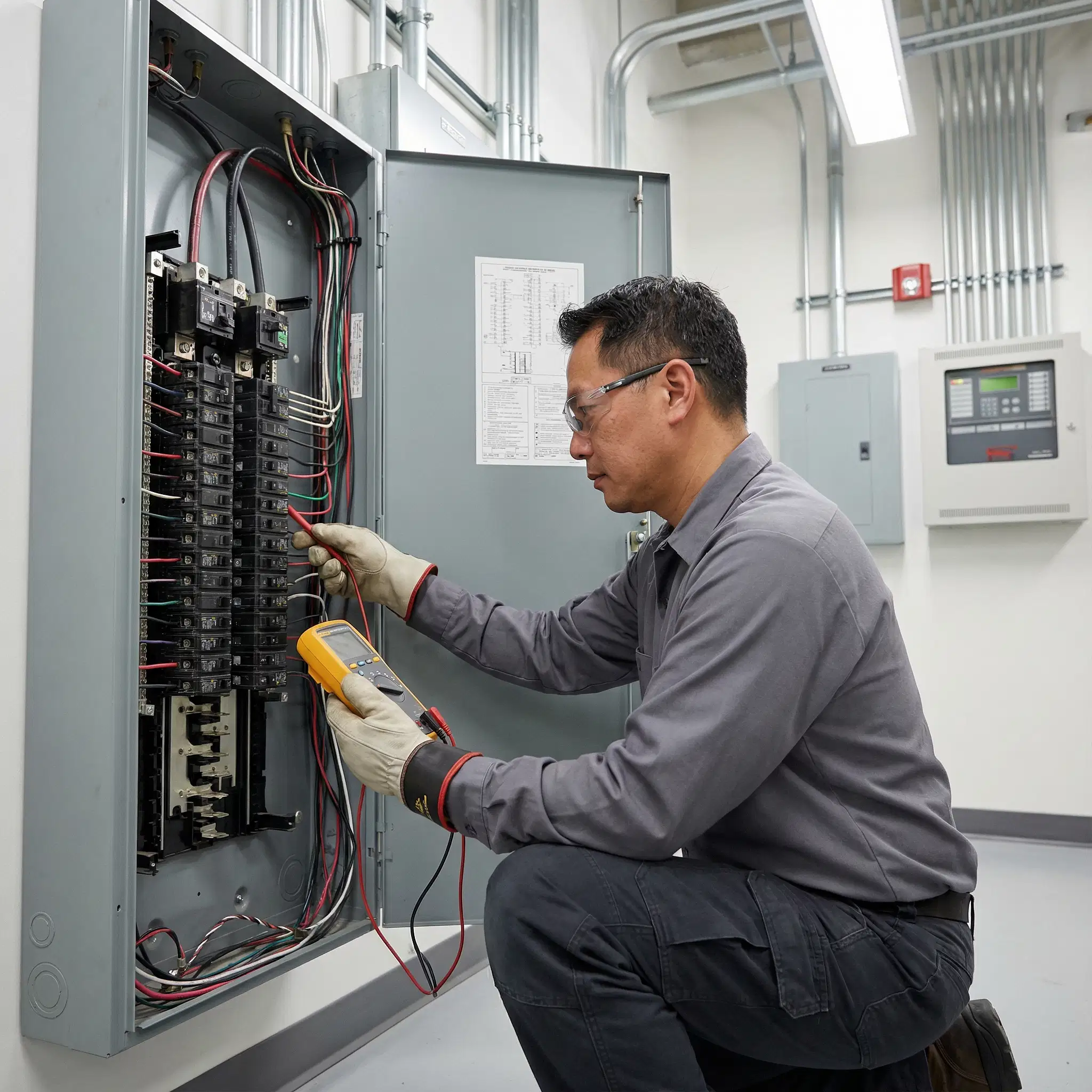
Determining Your Backup Power Strategy
Before you can dive into the math of sizing a unit, you first need to determine your overall backup power strategy. Many homeowners start by weighing a generator vs battery backup for home use. While battery systems are fantastic for sustainability and short-term outages, a hardwired standby generator connected to your natural gas or liquid propane line offers continuous, days-long power during extended winter storm outages.
Once you decide on a generator, the next major decision is choosing between an essential circuit backup vs whole house generator. This choice fundamentally dictates the size of the generator you will need.
An essential circuit backup is designed to power only the most critical appliances in your home. This typically includes your refrigerator, a few vital lighting circuits, your internet router, and crucial cellar systems like your furnace, well pump, or sump pump. Because it only handles a fraction of your home's electrical load, an essential circuit system allows you to purchase a smaller, more affordable generator.
On the other hand, a whole-house generator is designed to seamlessly carry the electrical load of your entire property. This means you do not have to pick and choose which appliances to run. You can cook on your electric range, run your central air or heat pumps, wash laundry, and keep every room illuminated. While this requires a larger upfront investment, it provides complete normalcy during an outage, which is invaluable for larger families or those who work from home.
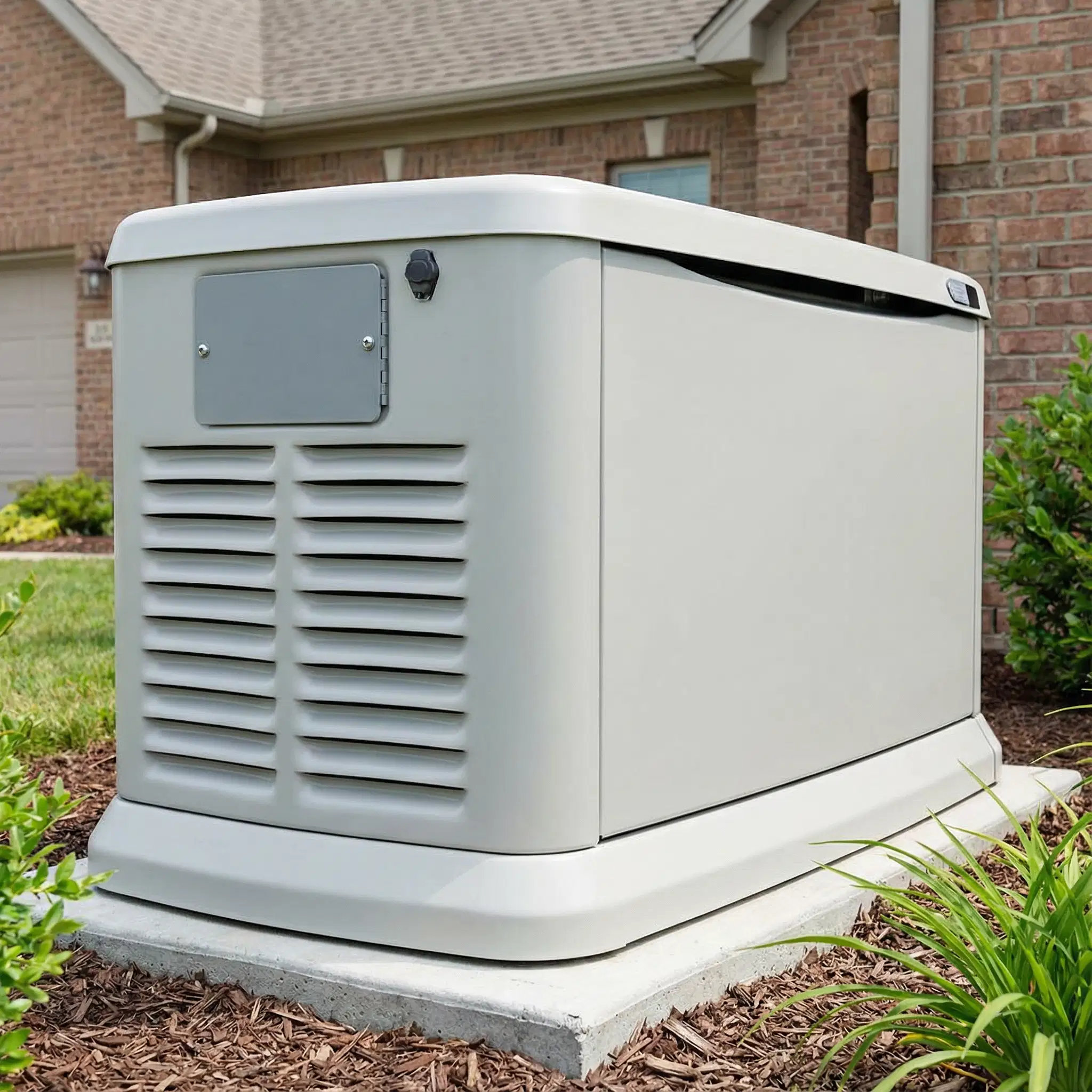
How to Calculate Home Standby Generator Size
Understanding how to calculate home standby generator size is essential to ensure your system performs flawlessly under pressure. Generators are sized by their electrical output, measured in kilowatts (kW). To find your target number, you need to calculate the total wattage of all the devices you plan to power simultaneously.
Every electrical device has two types of wattage: running wattage (the power required to keep the appliance running) and starting wattage (the initial surge of power required to turn the appliance on). Devices with electric motors, such as your HVAC system, refrigerator, or well pump, require significantly more power to start than they do to run. If your generator cannot handle the combined starting wattage of your appliances kicking on at the same time, the system will overload and trip.
To begin your calculation, list every appliance you want to power. Check the manufacturer's label on each device to find its required wattage. Add up the running wattage of all devices, and then add the highest single starting wattage in your list to that total. This gives you a rough baseline of your required capacity.
For example, if your critical systems require 7,000 watts to run and your well pump needs an additional 2,000 watts to start, you would need a generator that can handle at least 9,000 watts (9 kW). However, it is always recommended to build in a 10 to 20 percent buffer. This buffer accounts for future electrical upgrades, ensures the generator doesn't run constantly at maximum capacity (which extends its lifespan), and handles any unexpected power draws.
Because this calculation involves complex load requirements, we always apply strict project management principles to properly assess your home's unique electrical demands. We help you crunch the numbers accurately so you invest in the exact size you need—nothing less, and nothing unnecessarily massive.
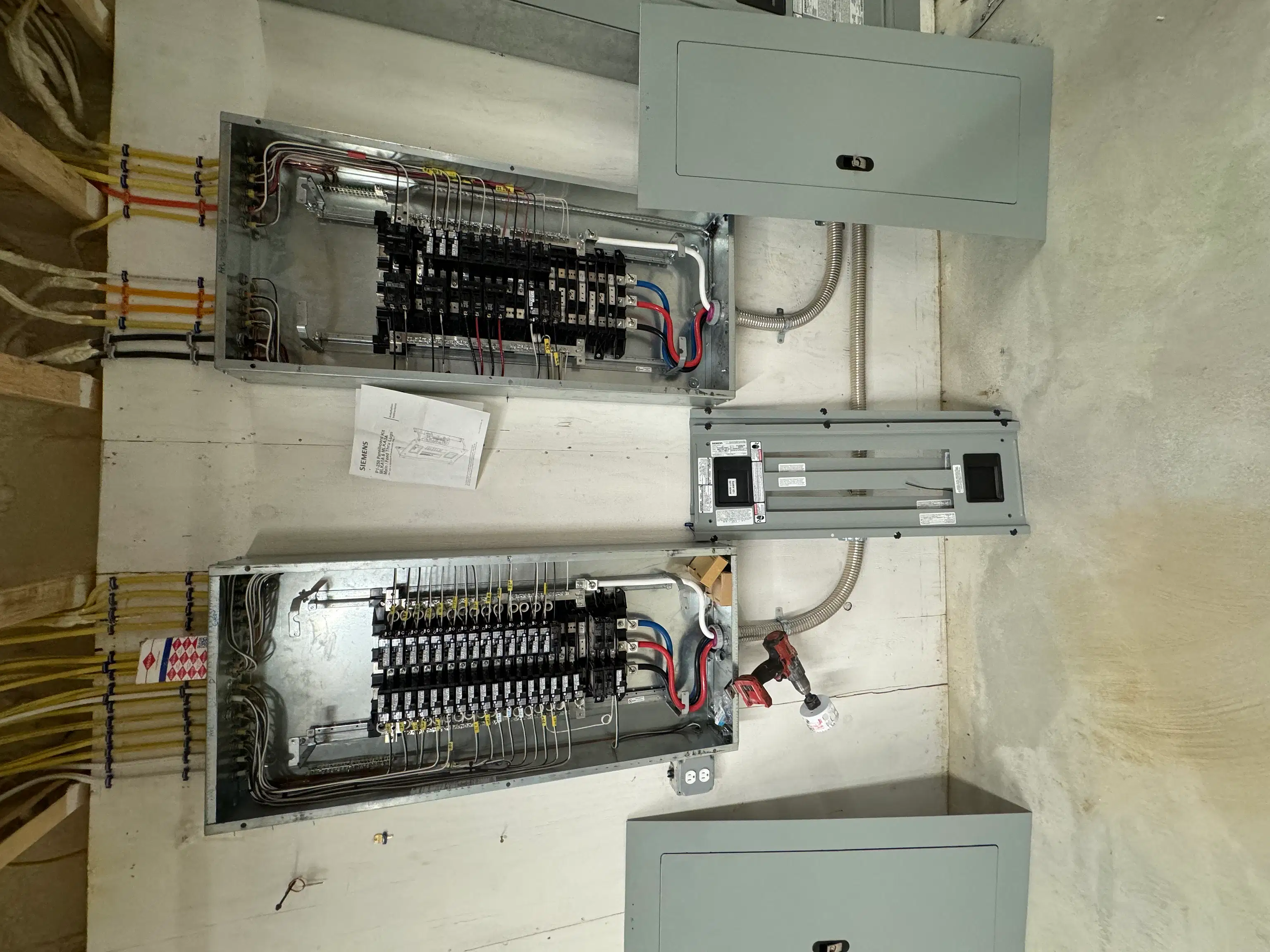
Navigating Regulations, Wiring, and Installation
Installing a standby generator is a complex project that goes far beyond basic DIY skills. It requires a deep understanding of local regulations, adherence to the updated Massachusetts Electrical Code, and coordination with your local code enforcement departments for proper permitting. Attempting to cut corners by hiring an unlicensed handyman can result in dangerous wiring, failed inspections, and even voided warranties on your expensive new equipment.
One of the most critical components of the installation is the transfer switch. This device automatically safely disconnects your home from the utility grid when the power goes out and switches the power source over to your generator. The generator transfer switch wiring requirements are incredibly strict because improper installation can cause 'backfeeding'—a dangerous situation where generator power flows back into the utility lines, putting line workers at serious risk of electrocution.
At Always On Electric Inc, our team undergoes mandatory code review classes every update cycle, meaning our knowledge of these critical safety standards is always current. We handle the entire process, from helping you select the right unit to perfectly executing the generator installations and managing all necessary municipal permits. We respect your home throughout the process, ensuring a clean installation that integrates seamlessly with your existing electrical panel.
Ready to Protect Your Home?
Don't wait until the next major Pioneer Valley storm leaves you in the dark to start thinking about backup power. Preparing your home now ensures your family remains safe, comfortable, and connected regardless of grid failures. Whether you need a simple essential circuit backup or a robust whole-house solution, our team is here to help you make an informed, cost-effective decision.
If you are ready to explore your backup power options, we are ready to assist. Reach out to the professionals at Always On Electric Inc to schedule a comprehensive on-site assessment. We will walk you through the sizing process, provide a clear, detailed estimate, and deliver the reliable service you deserve. Contact us today to take the first step toward true home energy security.