
Built to Last: A Homeowner's Guide to Electrical Safety in New Construction
Building a new home in Berkshire County is an exciting journey. You get to make countless decisions, from the layout of your kitchen to the color of your walls, to create a space that’s uniquely yours. But beneath the drywall and behind the fresh paint lies one of the most critical systems in your home: the electrical wiring. Getting it right from the start isn't just about convenience; it's the foundation of your family's safety and your home's long-term functionality. A poorly planned or installed electrical system can lead to frustrating issues, costly repairs, and significant safety hazards down the road. That's why planning for a safe, reliable, and future-proof electrical system is one of the most important investments you can make in your new construction project.
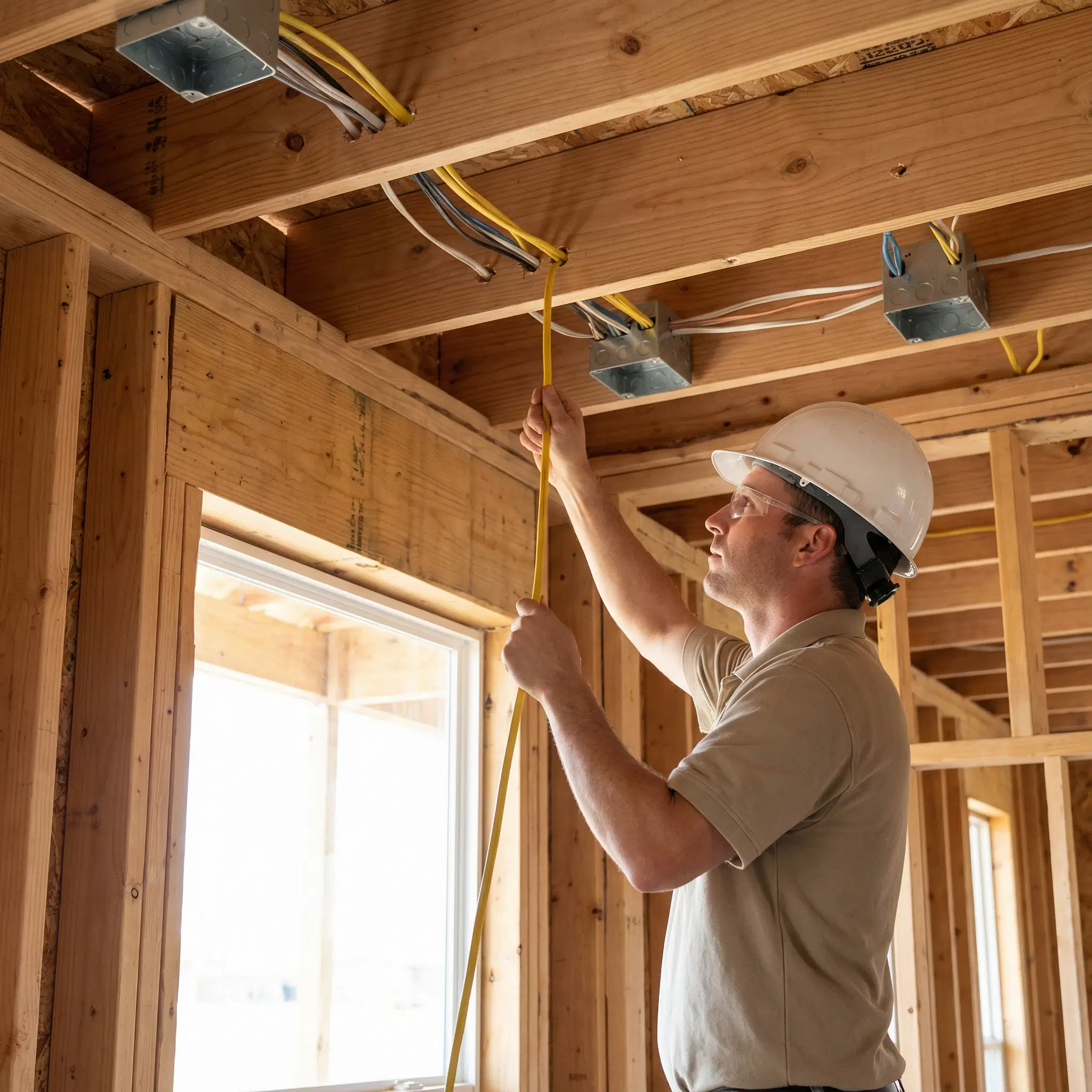
The Blueprint for Power: Why Planning Your Electrical System Matters
Before the first wire is pulled, a comprehensive plan is essential. The electrical layout for a new build is far more than just deciding where to put outlets and light switches. It’s about designing a system that meets your family's needs today and can adapt to the demands of tomorrow.
Think about how technology is evolving. A few years ago, a dedicated home office circuit might have seemed like a luxury. Today, it's a necessity for many. The rise of electric vehicles means planning for an EV charger installation is now a standard consideration. And with smart home technology becoming more integrated, your wiring needs to support everything from automated lighting to advanced security systems.
Working with a qualified electrical contractor during the design phase is crucial. A professional can help you:
- Map out an efficient layout: Ensure you have ample outlets in every room, including garages, basements, and outdoor spaces.
- Plan for dedicated circuits: High-draw appliances like refrigerators, microwaves, and HVAC systems require their own circuits to prevent overloads and tripping breakers.
- Future-proof your home: By running extra conduit or planning for future additions, you make it easier and more affordable to add new technologies later.
This initial planning is the first and most critical step in expert new construction wiring. It ensures your home’s electrical system is not just functional, but wicked smart and ready for the future.
Code Compliance: The Minimum Standard for Safety
Electrical codes, like the National Electrical Code (NEC) and specific Massachusetts regulations, aren't just bureaucratic red tape. They are a comprehensive set of standards developed over decades to protect people and property from electrical hazards. Adherence to these codes is non-negotiable for any new construction project.
An experienced electrician understands that these codes are the minimum requirement for safety. A truly high-quality installation often goes above and beyond. This includes:
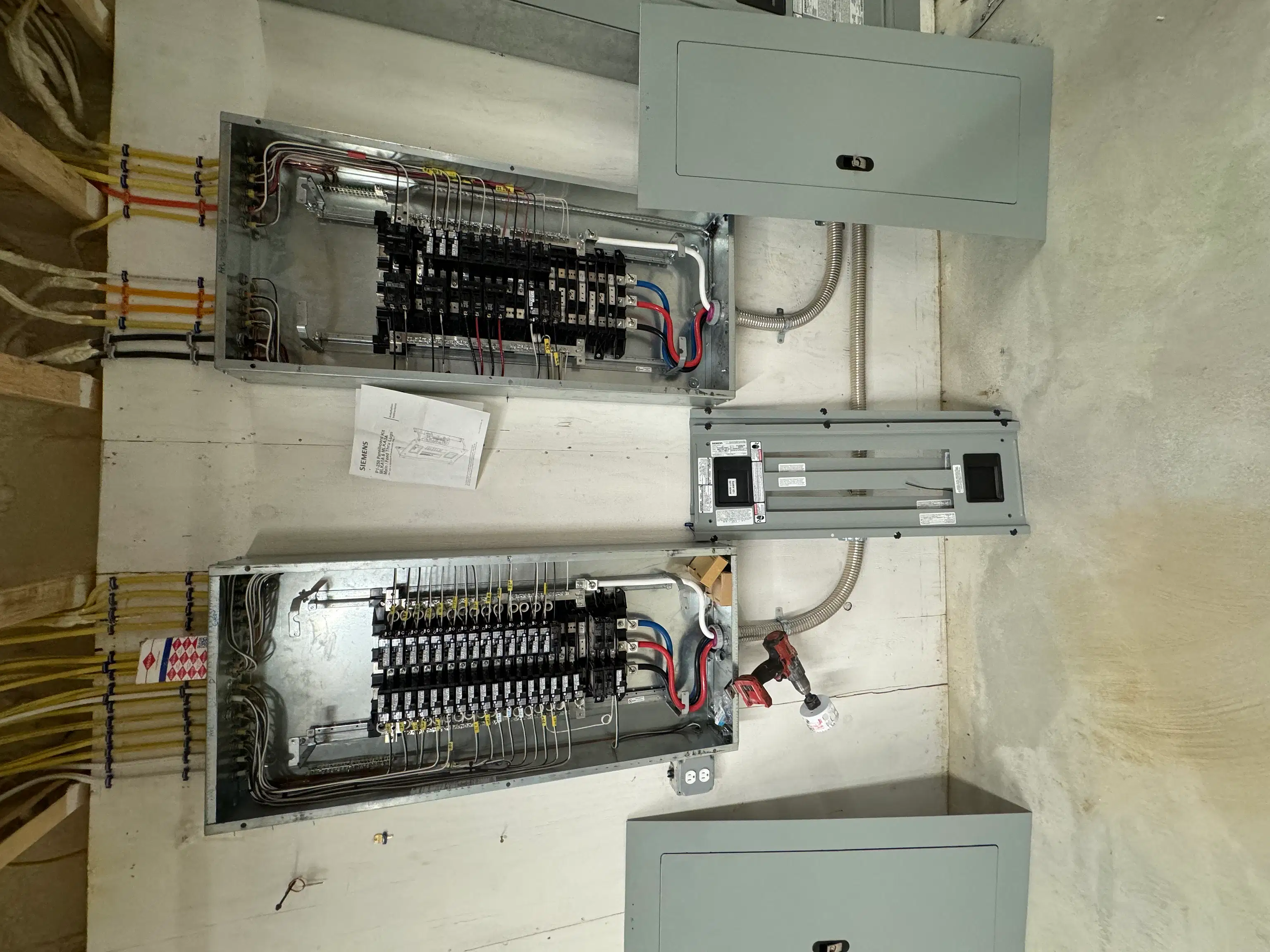
- Properly Sized Service Panel: Most new homes today require at least a 200-amp service to handle the load of modern appliances and electronics. A professional will calculate your home's specific needs to ensure the panel can safely manage the power demands. Sometimes, this involves a full panel swap to a more robust model.
- AFCI and GFCI Protection: Arc-Fault Circuit Interrupters (AFCIs) prevent fires by detecting dangerous electrical arcs, while Ground-Fault Circuit Interrupters (GFCIs) prevent electric shock in areas with moisture, like kitchens and bathrooms. Code dictates where these are required, and a knowledgeable electrician ensures they are installed correctly.
- Correct Wiring and Grounding: Using the right gauge of wire for each circuit and ensuring the entire system is properly grounded are fundamental to preventing overloads, electrical fires, and shock.
Hiring a licensed and insured contractor who stays current with mandatory code review classes is the only way to guarantee your home is compliant and, more importantly, safe.
Choosing the Right Partner for Your Project
Your general contractor will likely have electricians they work with, but it's your right as the homeowner to know who is responsible for this critical system. When evaluating an electrical contractor for your new home, you should look for a team that demonstrates a commitment to quality, safety, and communication.
Here’s what to look for:
- Licensing and Insurance: This is the baseline. Never hire an electrician who cannot provide proof of a valid Massachusetts license and comprehensive insurance.
- Experience with New Construction: Wiring a new home is different from a simple repair. It requires coordination with other trades, a deep understanding of blueprints, and the ability to manage a project from start to finish.
- A Philosophy of Quality: Look for a company that applies project management principles to every job, ensuring consistency and respect for your property. They should be able to explain their process for selecting high-quality materials that are built for long-term reliability.
- Commitment to Ongoing Education: The electrical industry is always changing. A great contractor invests in continuous training to stay on top of the latest codes, technologies, and safety standards.
Building a home is a major undertaking, and the quality of your residential electrical system will impact your daily life for years to come. Choosing the right professional ensures peace of mind.
Power Your New Home with Confidence
Building your dream home is a once-in-a-lifetime experience. Ensuring its electrical system is safe, compliant, and ready for the future is one of the most important decisions you'll make. By focusing on careful planning, strict code adherence, and hiring a qualified, professional electrical contractor, you can be confident that your home's power system is built to last.
If you're planning a new construction project in Berkshire County, the team at Always On Electric Inc. is here to help. We specialize in new construction wiring, electrical upgrades, and ensuring your home is safe from day one. Contact us today to schedule a consultation and let's build your home's electrical system the right way.